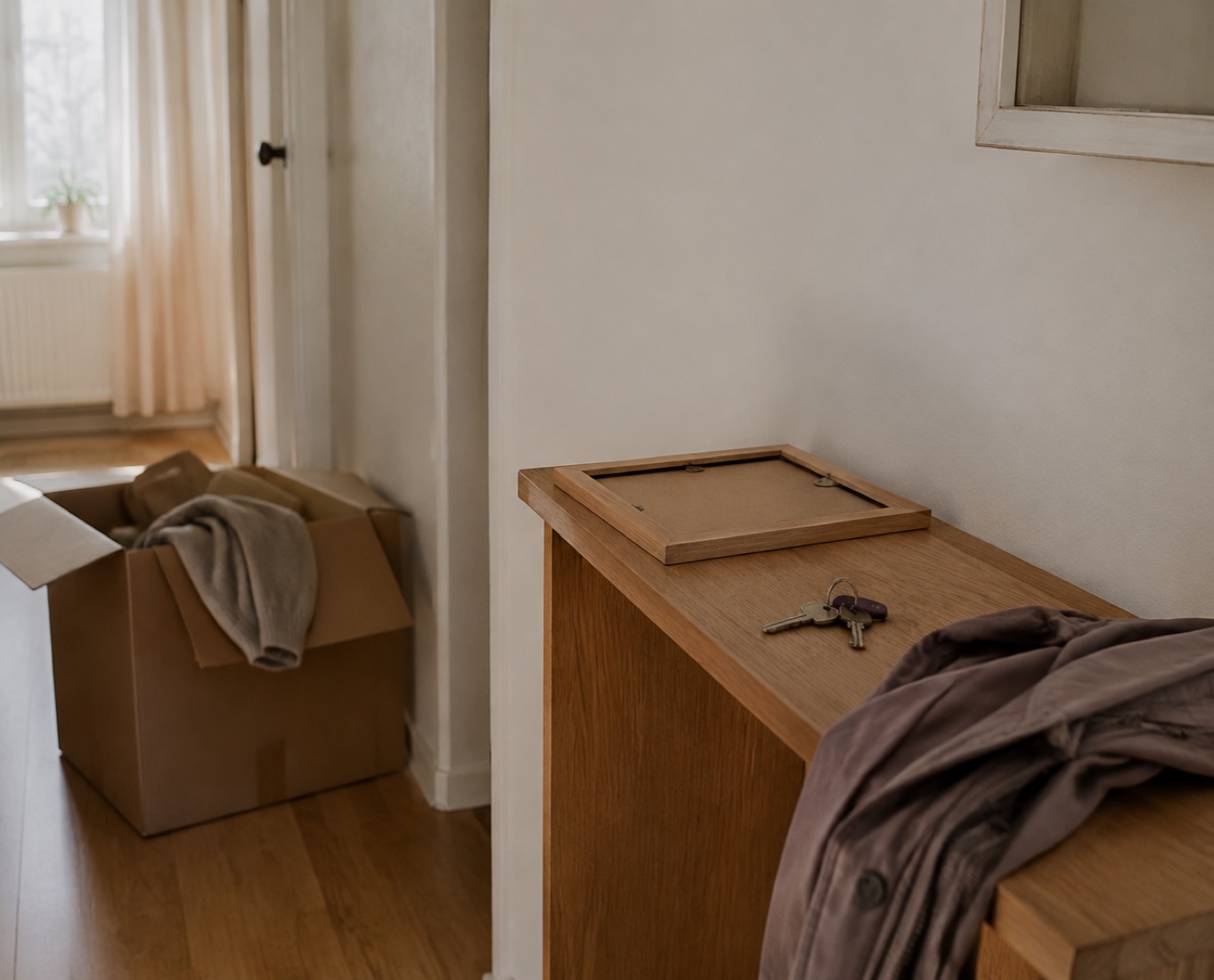
The unpacking eventually ends. The unfamiliarity does not. You can move through a full day—work, errands, the elevator, the grocery store—and still have nobody nearby who knows the version of you that wants to call when something good or difficult happens.
Being surrounded by people is different from being known. The gap between those two experiences is one of the quietest parts of moving somewhere new.
Why this loneliness is difficult to name
You may not look isolated. You may speak to people throughout the day and stay in close contact with friends elsewhere. What is missing is accumulated familiarity: the shared history that lets a conversation begin in the middle rather than at the beginning.
That kind of familiarity takes repetition. There is no single brave social evening that can replace it, which is frustrating when you want the new place to feel like home now.
Choose places you can return to
The instinct after a move is often to search for the perfect group or attend as many events as possible. A steadier approach is to choose a few places with a natural rhythm and keep returning. A weekly class, regular volunteer shift, faith community, sports group, library event or the same café at roughly the same time can all create repeated contact.
The first visits may feel unremarkable. That is not failure. Recognition often begins before friendship: someone remembers your name, notices you were absent or continues a conversation from last week.
Lower the threshold for a first invitation
You do not need to know that someone will become a close friend before suggesting coffee. A small invitation can be honest about where you are:
“I’m still getting to know people here. Would you like to get coffee after this next week?”
“You mentioned that market last time. Would you mind if I joined you?”
“I think we are here at the same time most weeks. I’m Robert, by the way.”
Some invitations will go nowhere. That does not make them mistakes. You are creating opportunities for familiarity, not auditioning every person for lifelong friendship.
Keep the people you left
Old relationships still matter. Schedule the call. Send the photograph. Let someone who knows you remind you that your life did not begin on moving day.
At the same time, notice if distant relationships have become a reason to avoid the awkward beginnings of local ones. Both kinds of connection can have a place. The task is not to replace old friends, but to build enough local familiarity that the new place holds some of your life too.
Do not turn timing into a verdict
There is no reliable deadline by which a place should feel like home. Work schedules, language, culture, caregiving and access all change what meeting people looks like. If connection is taking longer than you hoped, that is information about the circumstances—not proof that you are bad at belonging.
Choose a pace you can sustain. One recurring place and one invitation are more useful than a burst of effort that leaves you too tired to return.
When the move is part of a larger change
A move sometimes arrives with a job loss, separation or another reset. In that case the loneliness may be carrying more than geography. Starting over at 40 when this was not the plan may be a useful companion if several parts of life changed at once.
Belonging is rarely a dramatic arrival. More often, it is the third conversation, the remembered order, the familiar walk and the moment you realize there is finally someone nearby you would call.
The Return Pages offer free prompts and practical pages for navigating change at your own pace.

Onward, honestly.

Robert Nichols
Writer and founder of Onward Honestly. His work explores unwanted change, identity, and the small decisions that help us find our footing.
Meet the author