An excerpt from The Layoff You Didn’t Choose, a manuscript by Robert Nichols.
There's a particular kind of ache that comes from opening your calendar app out of habit and finding it blank — no meetings, no color-blocked days, no sense of where you're supposed to be at 10 a.m. For years, that calendar may have functioned as a kind of proof: proof you were needed, proof your time mattered enough to be scheduled, proof you had somewhere to be. An empty calendar can feel, in the early weeks, like proof of the opposite.
It isn't. A full calendar measures how many other people or systems have claimed your time. It has never actually measured whether your life has value, whether your days matter, or whether you're using your time well. Those are different questions, and it's worth being honest that most of us never had to ask them directly before, because a job was answering them for us by default, whether or not the answer it gave was accurate.
An empty calendar is disorienting precisely because it hands the question back to you: what do you actually want your days to hold, when nobody else is deciding? That's a real question, and it deserves a real answer, even a provisional one. It might include job-search tasks. It might also include things that have nothing to do with employment at all — a friendship you'd let go quiet, a project you kept postponing, a walk you take at the same time every day just because it gives the day a shape.
You don't need to fill the calendar back up to prove anything to anyone, including yourself. But it can help, gently, to put something in it — not because blank time is dangerous, but because a small amount of intentional structure tends to make the days feel less like they're happening to you and more like something you're choosing, even in a season where most of the big choices aren't currently yours to make.

Onward, honestly.
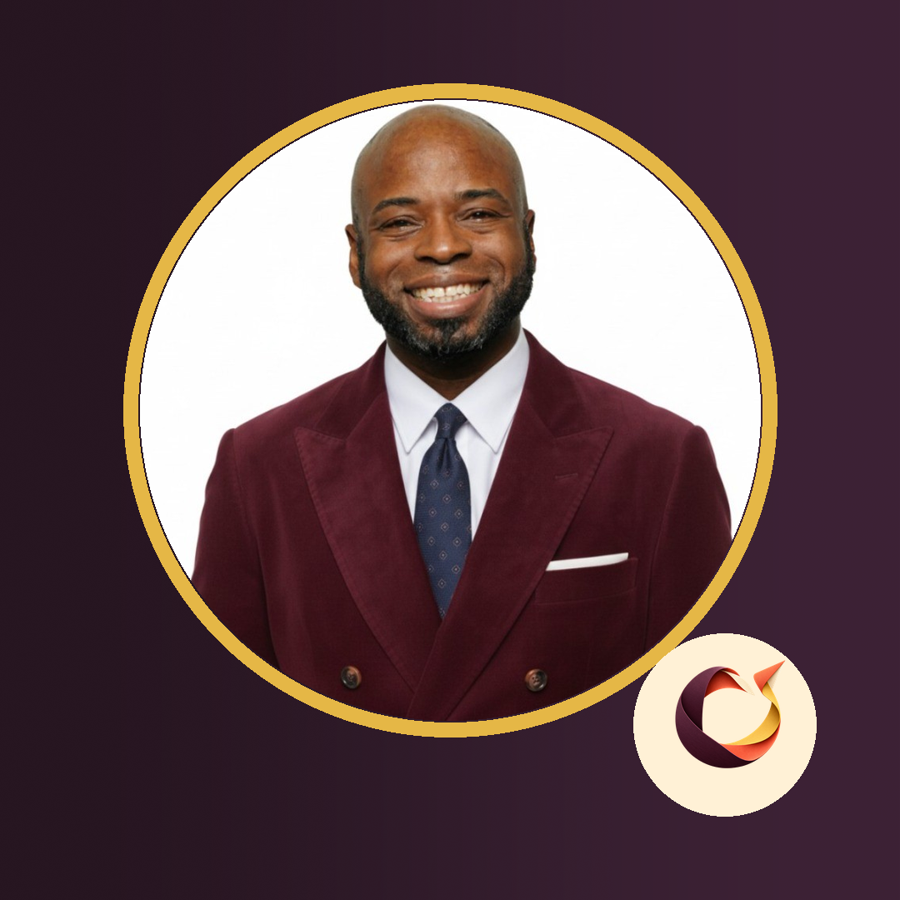
Robert Nichols
Writer and founder of Onward Honestly. His work explores unwanted change, identity, and the small decisions that help us find our footing.
Meet the author