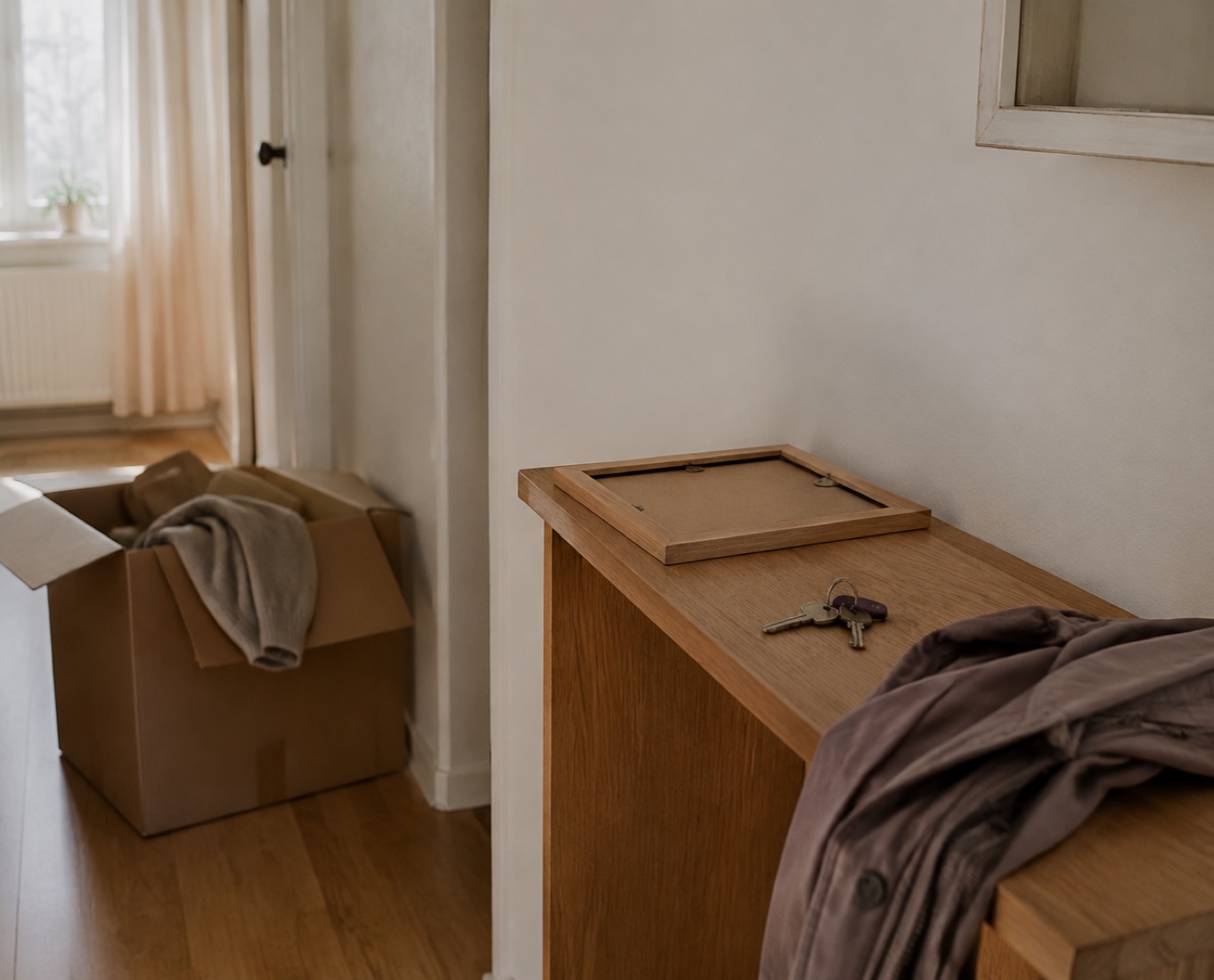
An excerpt from The Layoff You Didn’t Choose, a manuscript by Robert Nichols.
There's a specific, modern pressure that layoffs now come bundled with, thanks to how visible unemployment has become on social platforms: the urge to turn your own experience into a public narrative of resilience — the LinkedIn post about growth and gratitude, the TikTok filmed the same day you find out, the carefully upbeat caption written before you've even had time to process what happened privately. Some of this is genuinely useful; public processing works for some people, and platforms have become real, if unlikely, sources of community for people going through layoffs together. But it's worth separating two different reasons for posting, because they lead to very different outcomes.
One reason is genuine: you process by sharing, the response from others actually helps, and going public feels true to how you're built. The other reason is performative: you post because you feel a pressure to demonstrate that you're handling this well, that you're not falling apart, that your reset looks productive and inspiring rather than messy and uncertain — which is, more often than not, closer to the truth of how it actually feels.
Performing resilience you don't yet feel is exhausting in a specific way that's easy to underestimate. It adds a second, invisible job on top of the actual work of coping: managing how your coping looks to an audience. And it can create a strange trap, where the version of yourself you performed publicly starts to feel like a standard you now have to privately live up to, even on days when you don't feel resilient at all.
You are allowed to feel a thing without turning it into content. You're also allowed to post, if that's genuinely how you process — but it's worth checking, honestly, which reason is driving the next post before you write it.
Onward, honestly.

Robert Nichols
Writer and founder of Onward Honestly. His work explores unwanted change, identity, and the small decisions that help us find our footing.
Meet the author